
“ADCD approval” remains a common search phrase, but the current authority name is Abu Dhabi Civil Defence Authority (ADCDA). Using the right name is more than an editorial detail: it helps owners identify the current service, submission responsibility and technical requirements for fire-and-life-safety matters in Abu Dhabi.
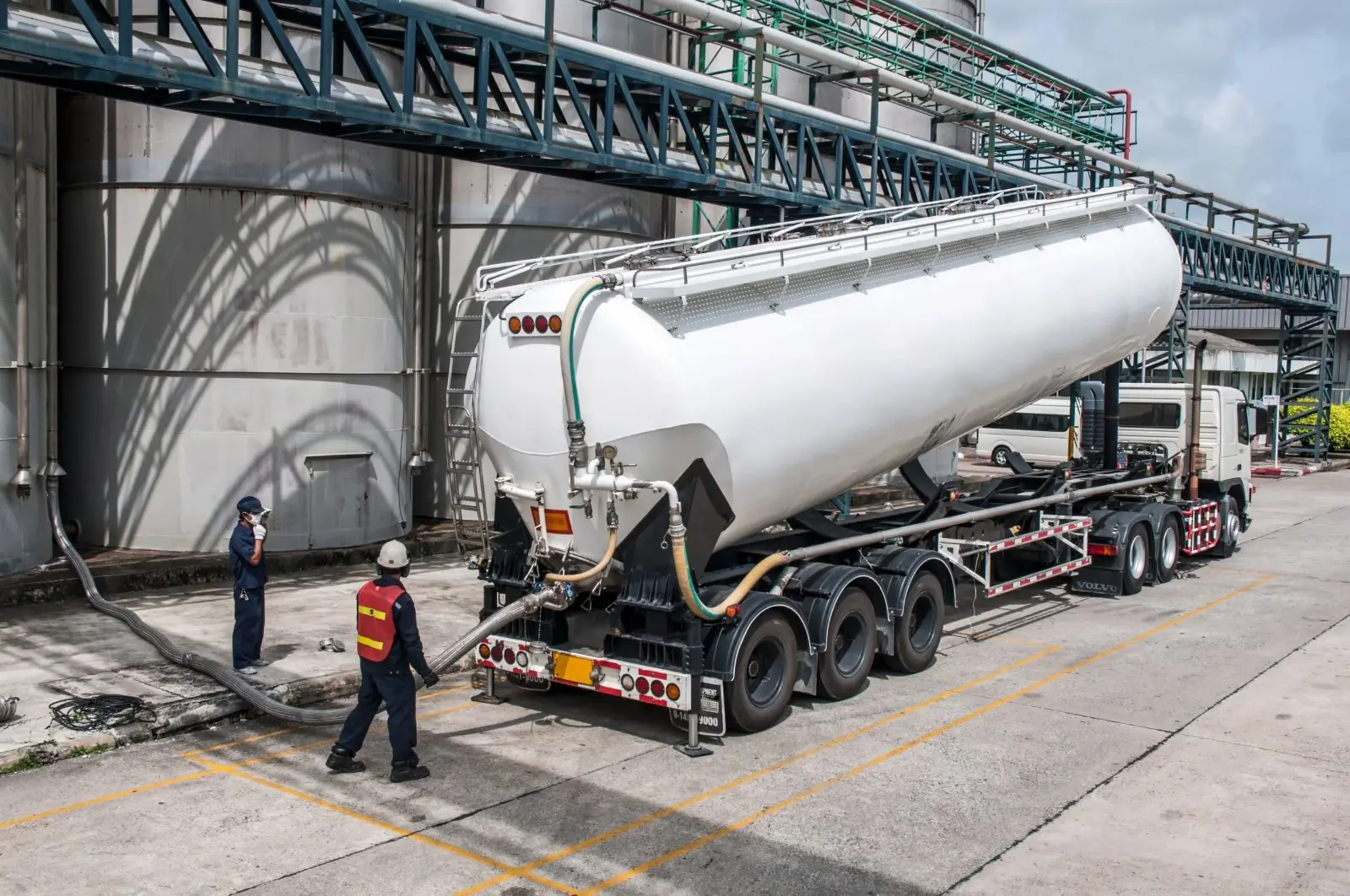
HAZMAT permitting is equally easy to oversimplify. There is no single standard approval for every hazardous material and activity. A project may need different permissions or no-objection certificates for storage, transport, import, use, gas systems, fire safety, environment, waste or a specific industrial jurisdiction.
What is normally included in an ADCDA approval pathway?
The route depends on whether the project is a new building, existing building, fit-out, modification, industrial facility, hazardous-material store or operational licence-related submission. Typical technical stages may include:
- Scope and jurisdiction review: confirm the property, work type, use, risk classification and competent authorities.
- Design basis: establish the applicable fire-and-life-safety strategy, code edition, approved baseline and project criteria.
- Coordinated design submission: prepare architectural FLS information and fire-protection system drawings with calculations and schedules.
- Comment resolution: respond to technical observations through controlled revisions and a comment register.
- Installation and inspection records: provide approved materials, testing, commissioning and as-built evidence as required.
- Final inspection or certification stage: demonstrate that the installed condition and operational arrangements meet the applicable requirements.
The ADCDA website lists preventive-safety services including certificates of compliance for establishments with different risk classifications. The applicable service, required documents and submission channel should be checked at the time of application because service catalogues and procedures can change.
What changes when hazardous materials are involved?
A hazardous-material submission should begin with the complete material lifecycle. Ask:
- What substances are present and what are their current safety data sheets?
- What is the maximum quantity—not the average stock?
- Are materials imported, transported, stored, opened, mixed, transferred or processed?
- What containers, tanks, cylinders or packages are used?
- What credible leak, spill, fire, explosion or toxic-release scenarios exist?
- Which people, neighbours, assets, roads, utilities or environmental receptors could be affected?
- How are waste, damaged containers and contaminated fire water managed?
The Abu Dhabi Hazardous Materials Management Centre oversees integrated policy, regulation and standards for hazardous materials in the emirate. The ADOSH Hazardous Materials Code of Practice also requires an assessment of materials present, stored or handled, together with applicable laws, authority guidance and safety data.
These frameworks reinforce why a fire drawing alone is not a full HAZMAT package. The authority matrix should cover every relevant stage and entity for the actual activity.
Documents commonly needed for a coordinated submission
The precise list must be confirmed, but a well-prepared technical pack may contain:
- owner and property information, licence details and appointment or authorisation letters;
- approved baseline drawings and a clear description of proposed changes;
- architectural FLS plans, sections, occupant and egress information;
- fire detection, alarm, suppression, water-supply and smoke-control drawings;
- design calculations, equipment schedules and cause-and-effect matrix;
- hazardous-material inventory, SDS register and compatibility assessment;
- storage layout, maximum quantities, containment and drainage details;
- ventilation, gas detection and hazardous-area information where applicable;
- risk assessment, emergency response and operating procedures;
- manufacturer data, product approvals and certificates;
- testing, commissioning and integrated-system records; and
- revision register and responses to previous comments.
Why submissions are often returned
Approval delays often begin before upload. Common causes include a mismatch between trade activity and proposed use, drawings based on an outdated architectural plan, incomplete material quantities, conflicting room names, inconsistent calculations, uncoordinated smoke-control interfaces, missing product evidence, or a response letter that does not identify where each comment was resolved.
Another risk is appointing a party without the required current classification for the specific submission. In April 2026, ADCDA announced a mandatory accreditation framework for engineering consultancies submitting fire-protection designs. From 1 September 2026, the stated certification and DMT classification requirements apply to those design submissions. Owners should verify current eligibility before appointment.
A better approval-management method
- Prepare a responsibility and approval matrix before design starts.
- Confirm authority names, services, current forms and submission permissions.
- Freeze the material inventory and design basis for each issue.
- Coordinate architecture, fire systems, ventilation, power, controls and operations in one review.
- Maintain a comment-response register tied to drawing revisions.
- Track long-lead tests, product evidence and inspections from procurement onward.
- Keep the approved, construction and as-built sets distinct and traceable.
Support for Abu Dhabi fire-safety and HAZMAT submissions
Infinity MEA can help owners and project teams assemble the technical baseline, coordinate fire-protection design, prepare hazardous-material storage information, manage interdisciplinary comments and develop the required drawings and schedules.
Approval remains with the relevant authority, and specialist sign-off must be provided by appropriately authorised parties. Contact Infinity MEA to map the documents, disciplines and approval interfaces for your Abu Dhabi project.
Frequently asked questions
Is ADCD different from ADCDA?
ADCD is a legacy/common abbreviation used in searches and industry conversations. The current entity is Abu Dhabi Civil Defence Authority (ADCDA). Use the current authority name in formal documents unless an official service specifies otherwise.
Is one HAZMAT permit enough for storage and transport?
Not necessarily. Storage, transport, import, handling, waste and other activities can have different competent entities and approvals. Prepare a project-specific permit matrix.
Can a consultant guarantee ADCDA approval?
No responsible consultant should guarantee an authority decision. A consultant can improve submission quality, coordination and response management, but approval belongs to the competent authority.
When should product approvals and certificates be collected?
Start during design and procurement. Waiting until final inspection can expose non-compliant selections, missing evidence or long replacement lead times.
Speak with Infinity MEA about the fire, safety, risk and approval priorities affecting your Abu Dhabi project.
Contact our team Abu Dhabi Fire & Safety Engineering
 Abu Dhabi Fire & Safety Engineering